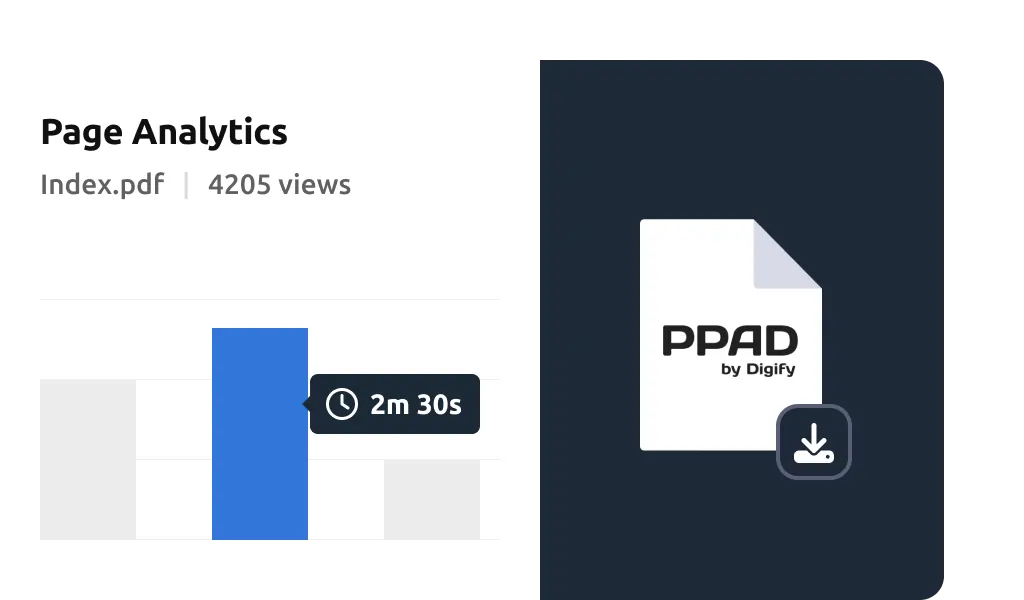
Available in Digify’s data rooms and secure file sharing.
Use PPAD inside your cloud storage
Continue to use SharePoint/Onedrive, Google Drive, Box or Dropbox via Digify.
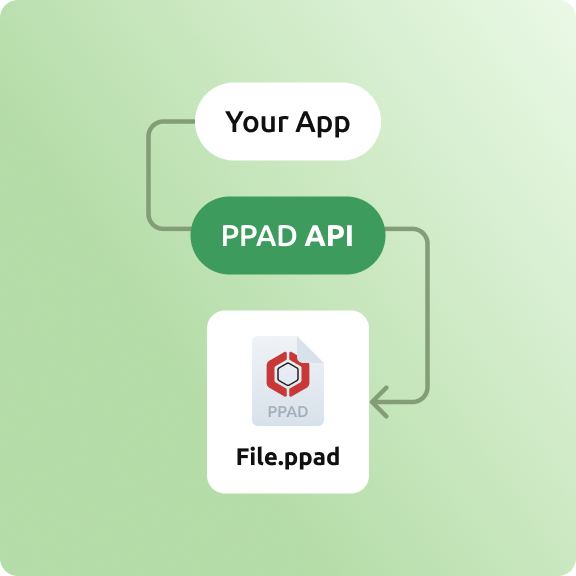
Integrate PPAD directly via API
Add PPAD file protection to your own apps and workflows. Available as an on-premise solution.
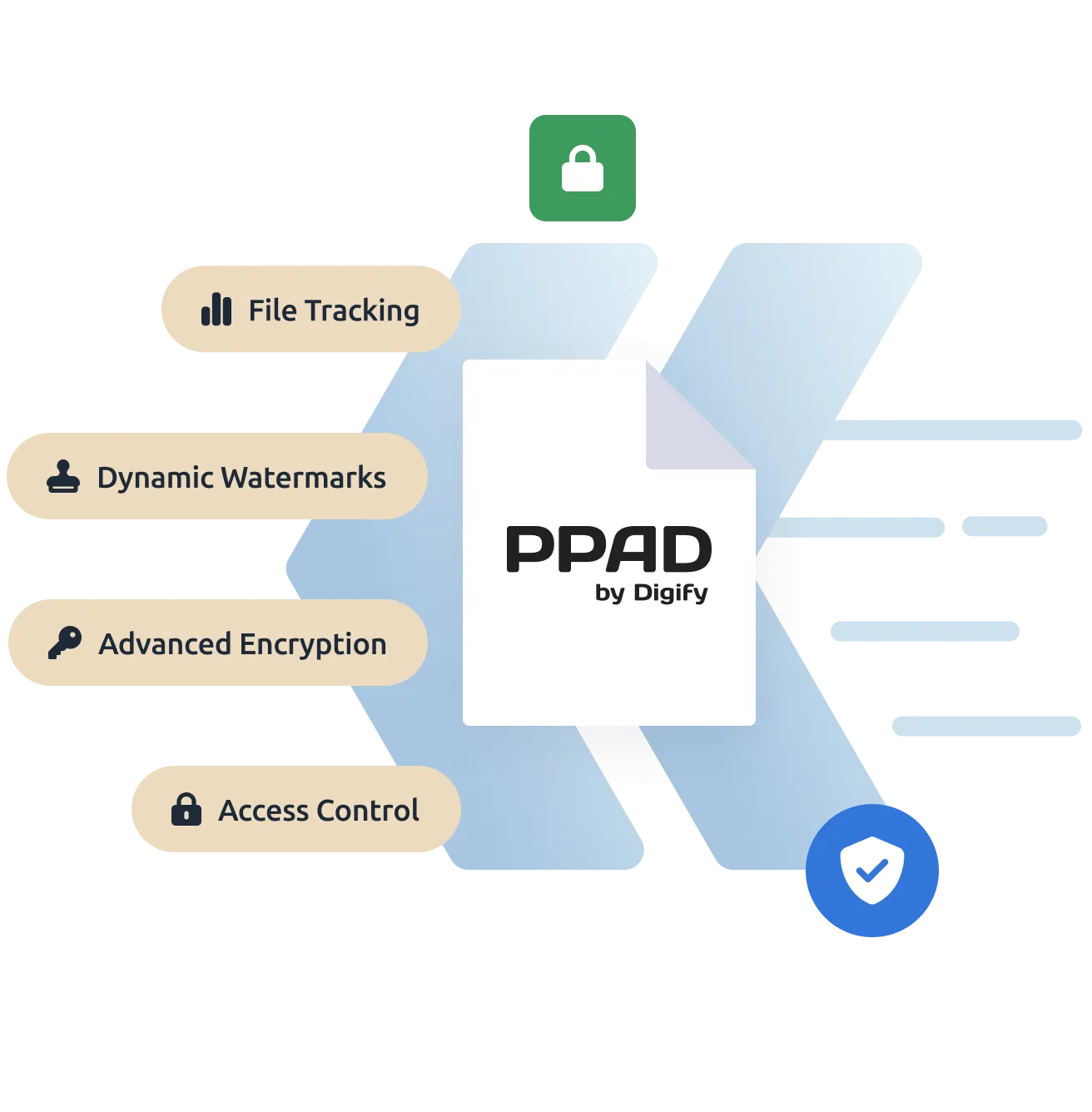
Security that stays with your file
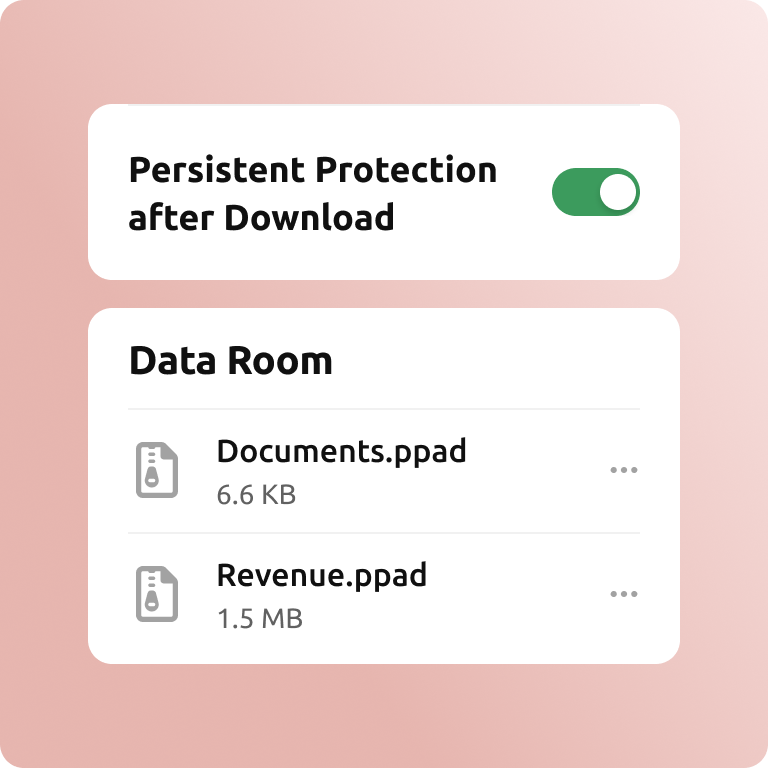
Most secure file sharing services or data rooms lose protection once the file is downloaded. PPAD ensures your files stay secure, anywhere.
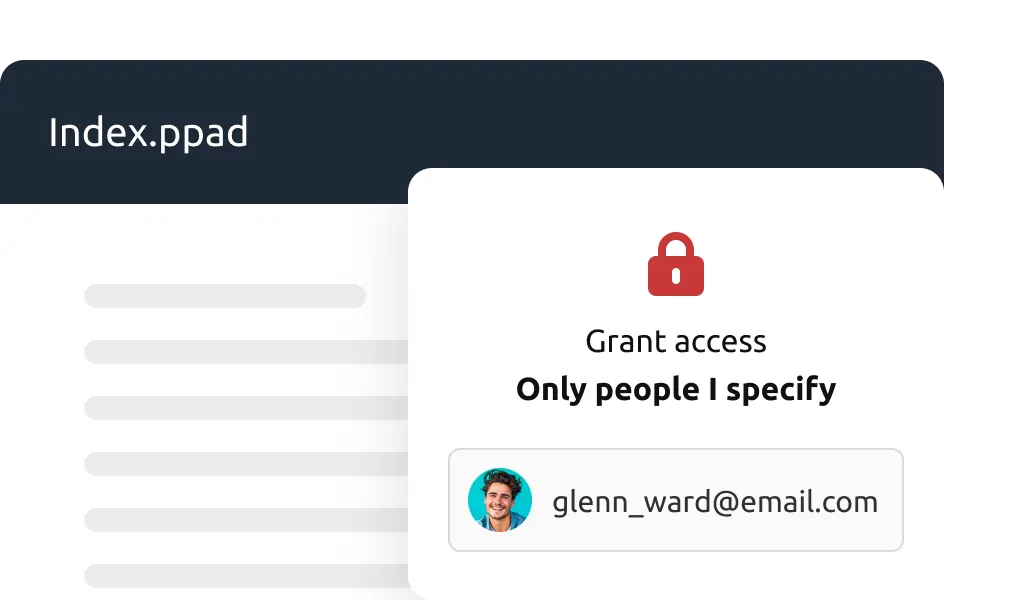
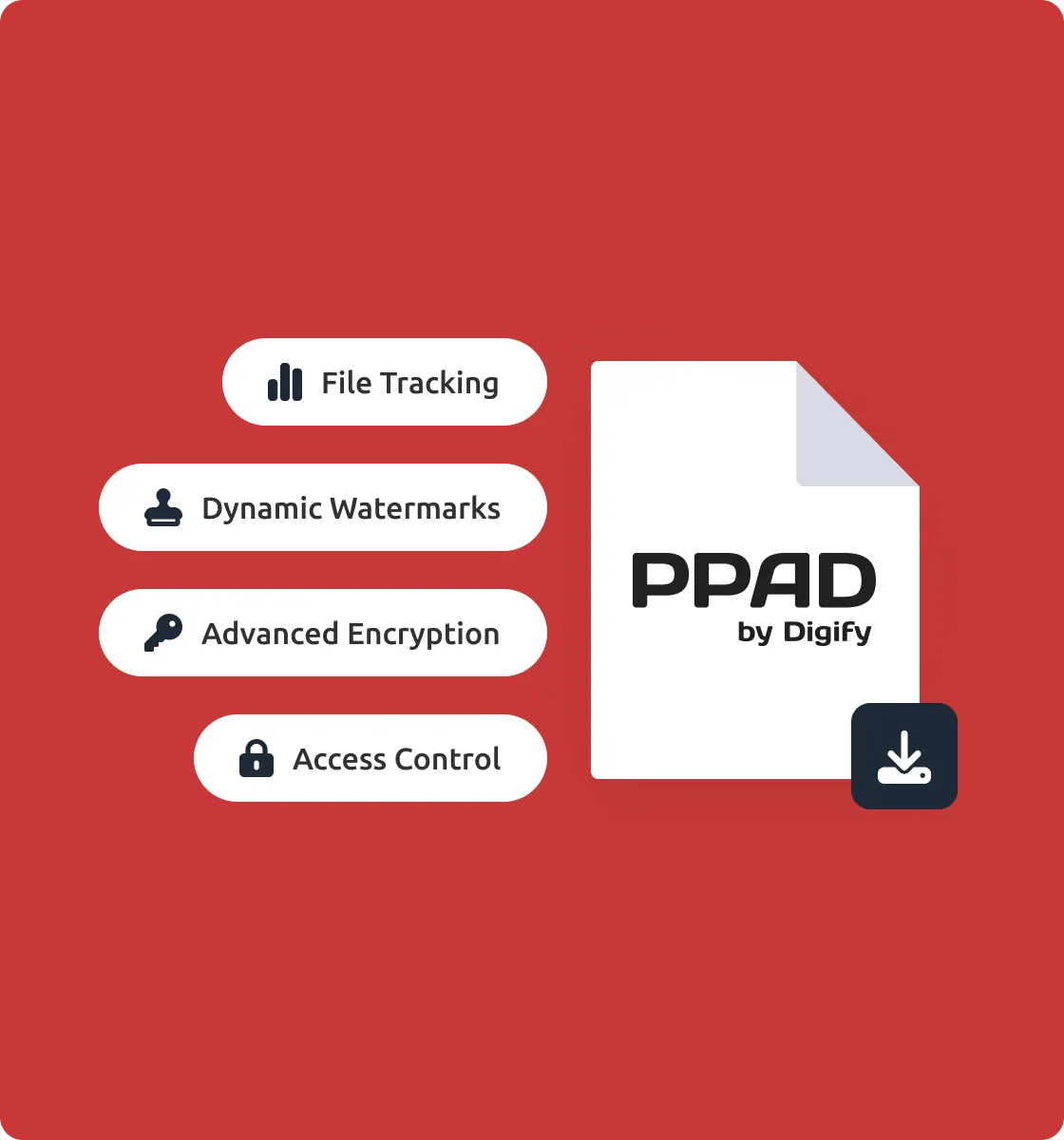
Built-in protection. Files stay secure even when copied, forwarded, or shared.
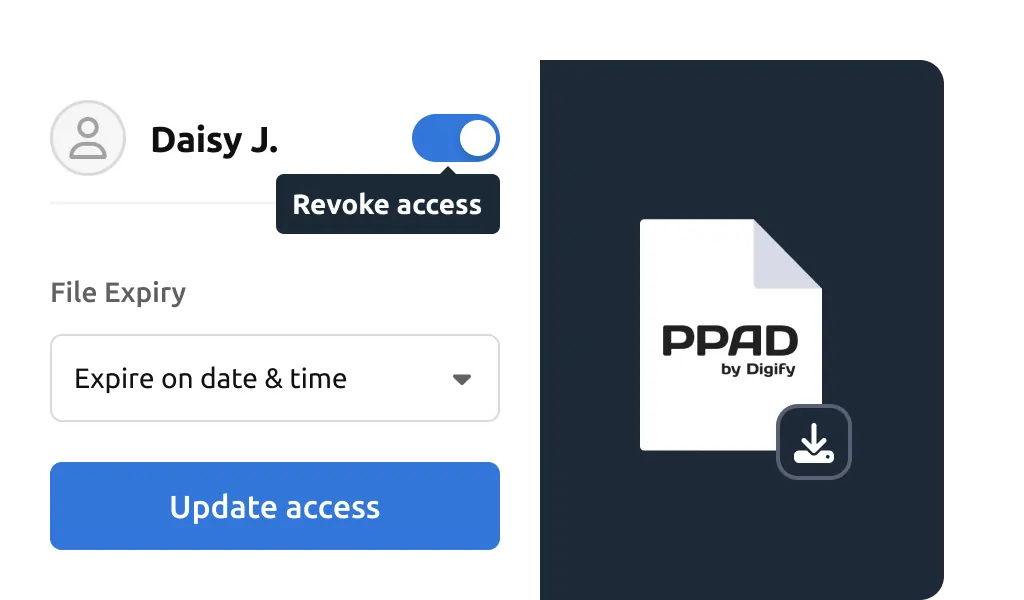
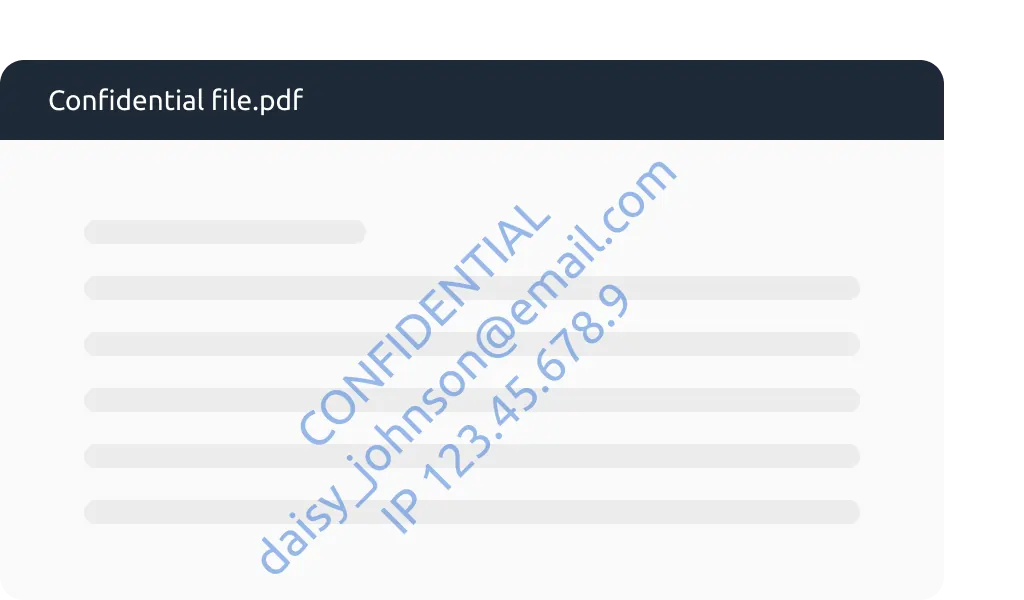
Your rules, everywhere. Expiry dates, watermarking, and usage limits remain active.
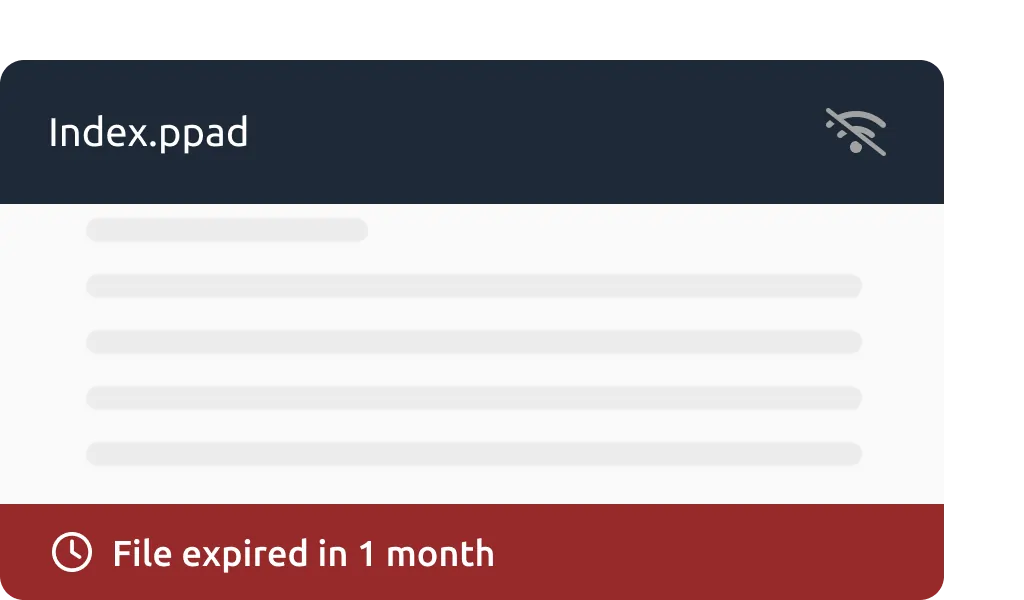
Offline ready. Recipients can work without the internet after initial access. You still control when access ends.
Patent pending. Designed for control and convenience. ISO27001 certified.
“Digify is a simple yet secure tool that provided the necessary integration with the infrastructure we already use. This made picking and using Digify for our internal teams an obvious decision.”
Jonathan Agha
Former Head of Information Security WeWork
“The interface, access controls are all very intuitive. I am able to see granular level data on document access and review. It helps provides information for insights into how a diligence process is operating. The integration with Gmail is also very useful to regularly send secure emails without leaving the gmail interface.”
Arjun Sharma
Director, Legal Peak XV Partners
“We’ve been using Digify for the last year to help securely send private documents to external partners. Their product saved us a lot of time from having to build our own tool to securely share these documents. Their product is feature rich, they respond to customer feedback, and their support team is on top of things always open to creative solutions to unique problems.”
James Costa
Principal Product Manager Wrapbook
“Digify demonstrated it was the most innovative by highlighting a simple and inexpensive way to address a recurring challenge of controlling and protecting ideas and information.”
Hugh Thompson
CTO, Symantec Head Judge RSA Innovation Sandbox
“We use Digify to securely send sensitive documents as part of due diligence processes and security reviews. We like to keep our confidential documents close to the chest. With Digify, we are always in control of who has access and who doesn’t.”
Jonathan Dunlop
Formal General Counsel Vidyard
“We love that we can provide our prospective and active portfolio company with secure data rooms and also that we easily can use Digify to send confidential presentations with preset timeouts. Digify creates a simple way to give and to revoke access to individual documents as needed.”
Will Klippgen
Managing Partner & Co-founder Cocoon Capital
“We always use Digify to maintain a data room for investors so that sensitive information is still protected, even when it is sent externally. I’m very likely to recommend Digify for its ease of use and of course, the security.”
Jonathan E. Savoir
CEO & Co-founder Quincus
Frequently asked questions
Find questions and answers related to the design system, purchase, updates, and support.
A next-generation approach to Digital Rights Management that helps you keep control over files after they are downloaded. PPAD files follow the rules you set, such as view-only access, expiration dates, or the ability to revoke access.
No. Recipients can open PPAD files directly in their browser without installing additional software.
Yes. Once a recipient opens a file, they can continue to access it offline for the duration you allow. Protection rules and restrictions still apply.
Yes. You can revoke access or set an expiration date at any time, even after the file has been downloaded.
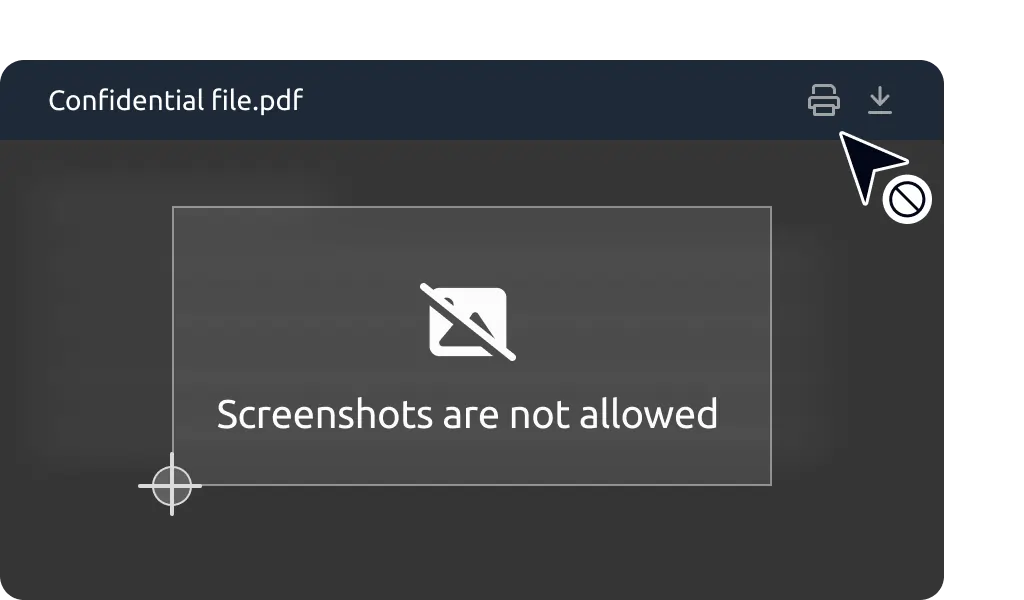
Yes. PPAD uses encryption and digital rights enforcement to ensure files cannot be copied, forwarded, or modified outside the rules you configure. For more details, see here.
Yes. The PPAD Viewer runs directly in your browser and there is no risk of downloading malware or unknown programs. You are simply extending your browser’s ability to open .ppad files securely.